In Ukraine, infrastructure being rebuilt today could come under Russian attack again tomorrow. Energy workers restore electricity, construction crews repair damaged homes, and communities struggle to reopen schools, hospitals and transport connections. All of this happens while the war continues, and new attacks can undo months of reconstruction work.
But Ukraine faces an even more difficult question: is simply restoring what has been destroyed enough?
A repaired power plant is not necessarily more resilient to another attack. A restored railway does not guarantee better connections with Europe. And rebuilt residential buildings may retain the same problems that existed before the war.
Ukraine’s reconstruction should not mean returning to the past. It should be an opportunity to build a country better prepared for future threats and capable of providing a dignified life for its people.
Nearly $588 Billion Needed for Ukraine’s Recovery
The scale of destruction is difficult to comprehend, even in numbers.
According to the Fifth Rapid Damage and Needs Assessment (RDNA5), published in February 2026 by the Government of Ukraine, the World Bank, the European Commission and the United Nations, Ukraine’s recovery and reconstruction needs are estimated at nearly $588 billion over the next decade.
By the end of 2025, direct physical damage had exceeded $195 billion. The largest recovery needs were identified in transport (over $96 billion), energy (nearly $91 billion) and housing (approximately $90 billion).
Behind these figures are disrupted transport routes, lost jobs, interruptions to heating and electricity, and millions of people whose daily lives depend on functioning infrastructure.
But these enormous financial needs raise another question: how can these resources be used to build infrastructure that will serve the country for decades?
In its June 2026 Infrastructure Policy Review of Ukraine, the Organisation for Economic Co-operation and Development (OECD) emphasised the importance of transparent procurement, effective planning and long-term infrastructure resilience.
The true success of reconstruction will be measured not only by how much money is spent, but by how safe, efficient and resilient Ukraine becomes.
Rebuilding While Destruction Continues
Unlike many post-war recovery programmes, Ukraine cannot wait for the fighting to end before beginning reconstruction.
The country must simultaneously restore damaged infrastructure and prepare for further attacks.
For communities, this is not an abstract planning challenge. A damaged electricity network can mean homes without power or heating. A destroyed bridge can disrupt deliveries or access to medical care. And uninhabitable housing prevents families from returning home.
Emergency repairs are essential. Yet repeatedly restoring the same vulnerable systems creates the risk of further destruction and additional costs.
Ukraine must balance two priorities: restoring essential services as quickly as possible while investing in solutions that reduce infrastructure vulnerabilities in the future.
The question is not only how quickly Ukraine can rebuild what has been destroyed, but how it can avoid having to rebuild the same infrastructure again.
An Energy System That Is Harder to Destroy
Ukraine’s energy sector is one of the clearest examples of why reconstruction must involve modernisation.
Russian attacks have demonstrated the risks of depending heavily on large energy facilities. Damage to individual sites can trigger widespread disruptions affecting entire communities.
According to RDNA5, the number of damaged or destroyed energy assets increased by approximately 21% compared with the previous assessment.
Rebuilding the energy system according to outdated principles would preserve some of its vulnerabilities. Instead, decentralised power generation, energy storage and modernised networks can help reduce dependence on individual large facilities.
In 2025, the European Bank for Reconstruction and Development (EBRD) announced a €160 million loan to support Ukrnafta in developing an additional 250 megawatts of distributed power generation capacity.
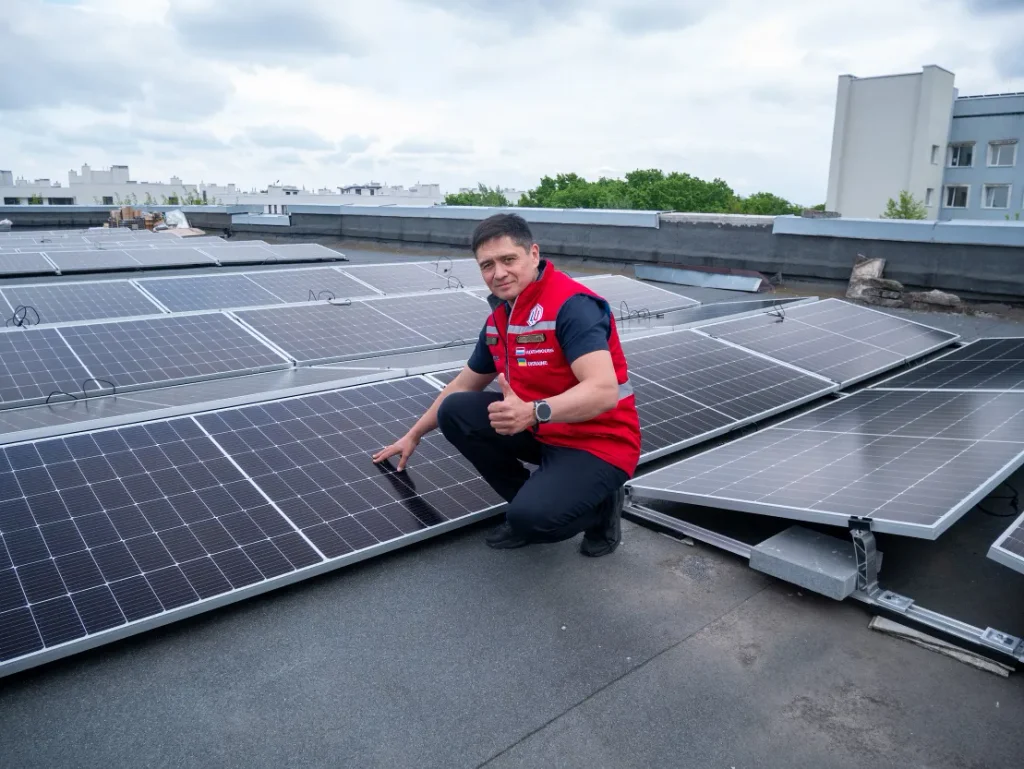
At the local level, initiatives such as LUkraine asbl’s Solar Hope project demonstrate how sustainable energy solutions can strengthen essential public services.
Through this project, Kyiv Children’s Clinical Hospital No. 1 received a solar energy system equipped with solar panels, battery storage, inverters and supporting technical equipment. The installation helps stabilise electricity supply and reduce the hospital’s dependence on the external power grid and generators.
For a hospital treating children with severe and complex medical conditions, reliable electricity is essential. It supports the continuous operation of critical medical equipment and helps medical staff provide care during power outages.
The project was made possible with solar panels donated by Chenbau Kim and Paul Wagner & Fils S.A., and funding from Fondation Enovos, under the umbrella of Fondation de Luxembourg.
Solar Hope illustrates how reconstruction can go beyond replacing damaged infrastructure. By investing in decentralised renewable energy, essential institutions can become better prepared for future disruptions while reducing their dependence on vulnerable centralised networks.
Ukraine needs more than an energy system that can be repaired quickly after an attack. It needs one that is harder to disrupt in the first place.
Rebuilding Homes, Not Just Buildings
Losing a home remains one of the most painful consequences of war for millions of Ukrainians.
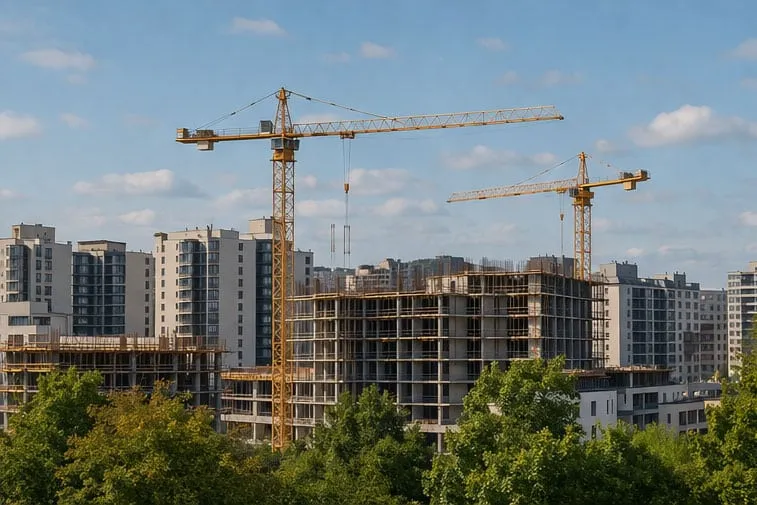
According to RDNA5, 14% of Ukraine’s housing stock had been damaged or destroyed by the end of 2025, affecting more than three million households.
For families unable to return home for years, housing reconstruction offers a chance to regain stability. But it also provides an opportunity to address problems that existed long before the full-scale invasion, including inadequate insulation, outdated heating systems and buildings inaccessible to people with disabilities.
One example is the World Bank’s Housing Repair for People’s Empowerment (HOPE) project.
In July 2025, the World Bank reported plans to renovate nearly 200 residential buildings, expected to benefit more than 7,200 households. The project includes improvements to energy efficiency, accessibility and shared spaces.
Energy-efficient housing can reduce heating costs, while accessible buildings help people with disabilities, older residents and veterans with war-related injuries live more independently.
Rebuilding a home means more than giving someone a roof over their head. It means creating the conditions for a safe and dignified life.
Transport That Creates New Opportunities
Restoring transport infrastructure directly affects Ukraine’s economic future.
According to RDNA5, transport recovery needs exceed $96 billion, the highest of any sector.
Roads and railways determine whether businesses can deliver products, workers can reach their jobs and Ukrainian goods can access European markets. Reconstruction must therefore involve not only repairing damaged routes but also improving logistics and integration with EU transport networks.
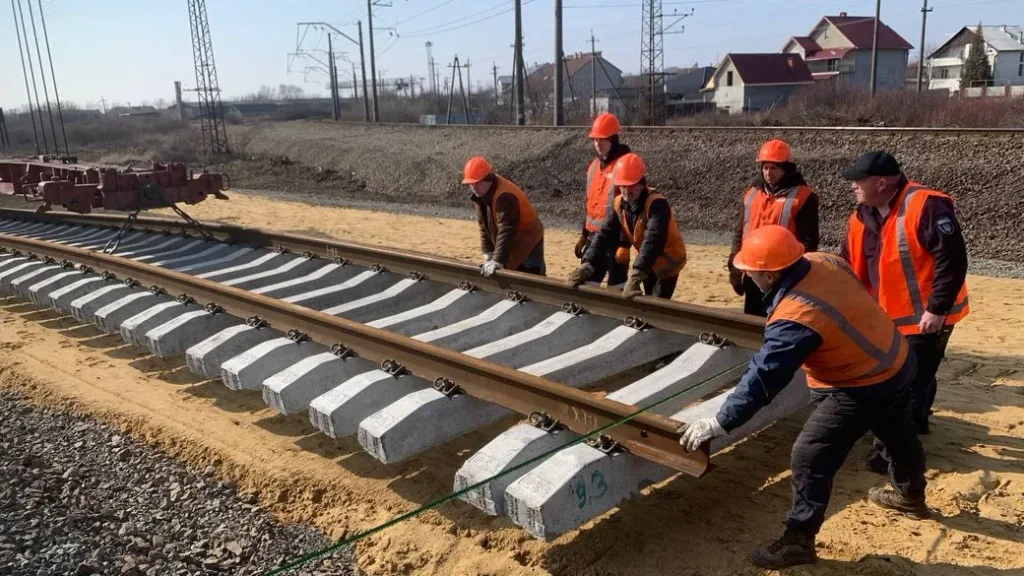
In September 2025, Ukraine opened a 22-kilometre European-standard railway line between Uzhhorod and Chop, supported by European Union financing.
The project improves connections with neighbouring European countries, facilitating passenger journeys and freight transport.
Reconstruction can also attract investment and create opportunities for Ukrainian businesses. In March 2026, the European Commission announced €1.5 billion in new programmes under the Ukraine Investment Framework, intended to help mobilise €3.4 billion in investments across sectors including energy, transport, education and industry.
However, investment alone is not enough. Transparent procurement, effective institutions and long-term planning are essential to ensure that reconstruction creates lasting economic benefits.
Rebuilding infrastructure should not simply restore lost connections. It should open new opportunities for Ukraine’s economy.
Rebuilding a Country, Not Just Its Buildings
Nearly $588 billion in estimated recovery needs represents more than the cost of repairing Ukraine’s damaged infrastructure. It reflects the scale of the challenge facing a country forced to rebuild its future before the war has ended.
Behind every damaged power plant are communities that need electricity and heating. Behind every destroyed home are families waiting for the chance to return. And behind every disrupted transport connection are businesses and workers whose economic opportunities remain limited.
But reconstruction can mean more than returning to normal life. It can make that life safer and infrastructure more modern and resilient.
Achieving this requires more than financial resources. It demands thoughtful decisions, transparency, international cooperation and a clear vision of what Ukraine should become.
Ukraine does not need to recreate the vulnerabilities of the past. It needs to build the foundations for a stronger future.
The success of reconstruction should not be measured only by the number of repaired buildings or kilometres of restored roads. What matters more is whether people can live more safely, access better services and plan their futures with confidence.
Because true reconstruction begins when restoring what was destroyed becomes an opportunity to build something better.